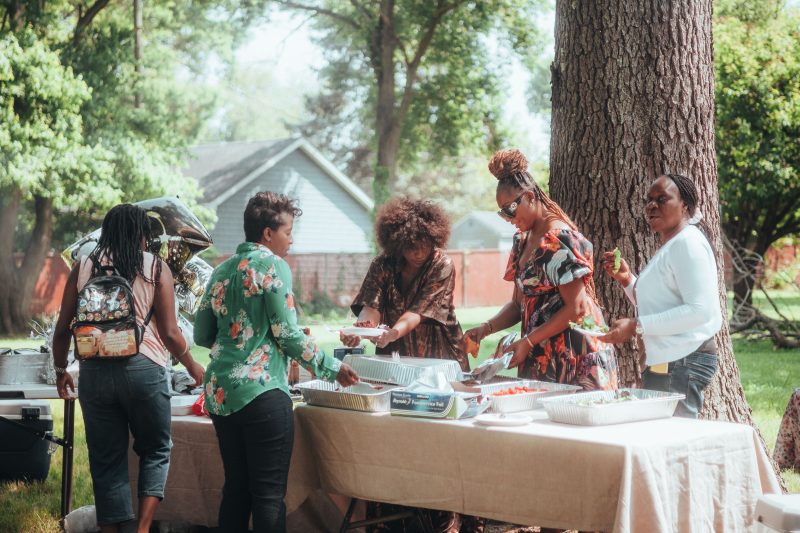
A parish fundraiser does not need another table crowded with unlabeled casseroles to feel generous. A well-planned menu can make the purpose of the event visible, help volunteers serve with less confusion, and give guests a reason to stay and talk. Start with a clear visual plan: an Adobe menu maker can help your team turn a rough list of dishes, prices, and donation options into a readable sign before anyone starts cooking.
The important shift is to stop treating the menu as a list of food. For a parish supper, church bake sale, youth-group fundraiser, or interfaith service meal, the menu is also a welcome sign, a volunteer map, and a quiet explanation of where the money goes.
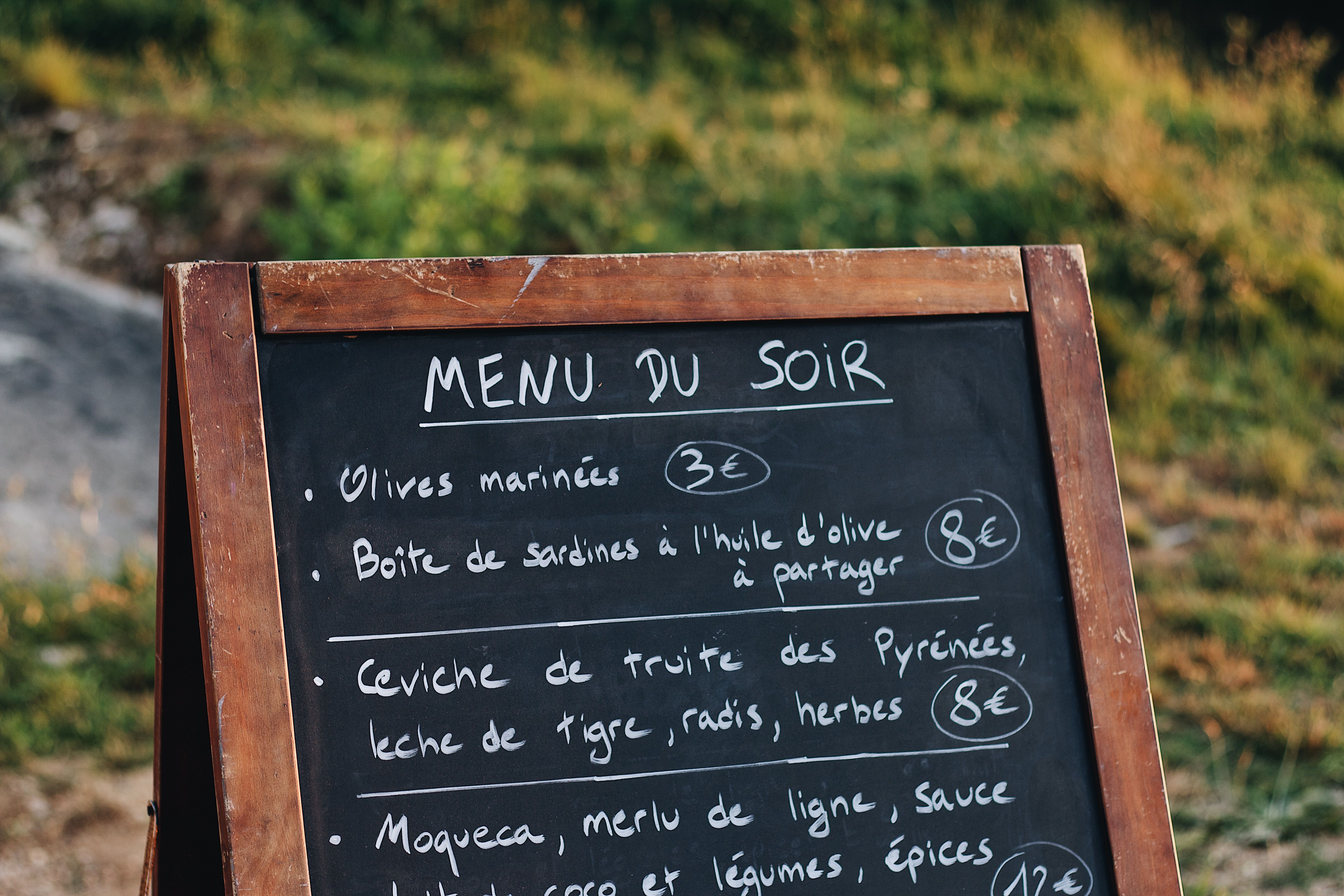
Choose the format before choosing the recipes
The familiar potluck often feels inexpensive because everyone contributes. In practice, it can create three problems: too much of one kind of dish, no reliable count of portions, and a service line that depends on whichever volunteers happen to arrive first. A creative menu starts with the gathering you actually have.
- Short Sunday gathering: offer portable items, coffee, and a few bundled choices that can be purchased quickly after worship.
- Ticketed evening meal: use a limited menu with advance reservations so the kitchen can buy and prepare to a realistic head count.
- Open community meal: prioritize simple service, ingredient labels, accessible seating, and a welcoming flow over culinary ambition.
- Outdoor festival or parish fair: choose food that travels well and can be portioned without a full kitchen at every station.
- Youth fundraiser: build in a role for young people that is more meaningful than carrying boxes, such as naming menu items, greeting guests, or explaining the cause.
My preference is a menu with one dependable anchor, two or three complementary choices, and one memorable feature. That structure is more useful than offering twelve unrelated dishes. People want choice, but they also want to know what the event is about.
Five menu concepts that feel less like a routine supper
1. The “taste of the parish” grazing table
Ask households, ministries, or cultural groups to contribute one small item connected to a family tradition or community. Arrange the food as a grazing table rather than a sequence of serving pans: breads, fruit, cheeses, dips, vegetables, small sweets, and clearly marked specialties.
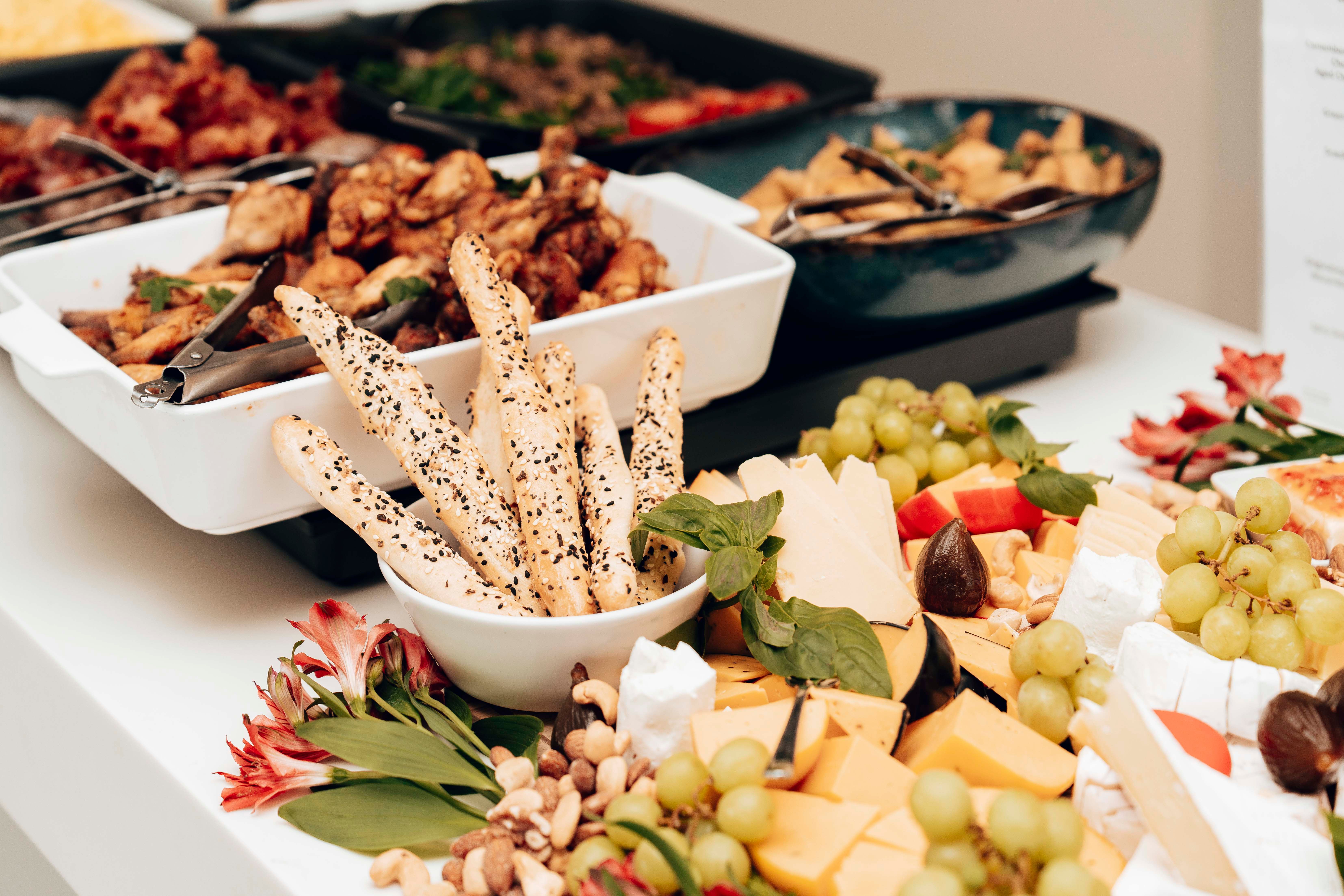
Give every contributor a small card with the dish name, a short story, and key ingredients. A “parish passport” can invite guests to sample five items and vote for a favorite, with a small prize donated by a local business. Charge admission, sell tasting cards, or invite a suggested donation. The goal is not to turn hospitality into a competition; it is to give people an easy way to explore the community represented in the room.
2. A mission menu where each purchase has a destination
Instead of asking guests to make a general donation at the end, connect each menu choice to the work being funded. A “Hope Plate” might support a food pantry, a “Welcome Table” might fund newcomer outreach, and a “Youth Table” might help pay for a service trip. Use honest, simple language: say what the fundraiser supports, but do not claim that one cookie or sandwich equals a precise outcome unless your organization has calculated it.
This approach works especially well when the menu is small. A soup, bread, dessert, and beverage can be enough if the sign makes the purpose legible. A QR code can offer an additional giving option for people who want to support the mission but cannot eat at the event.
3. The three-course “walk through the seasons” supper
Build the meal around three chapters rather than three unrelated courses. For example, a spring supper might move from garden vegetables to a simple main dish to preserves or fruit-based dessert. Put the chapter names on table cards, and let a youth group or volunteer storyteller provide a two-minute introduction between courses.
Keep the cooking manageable: one soup or salad, one main, and one dessert is enough. The creativity comes from the narrative, the table design, and the connection to the parish calendar, not from making the kitchen produce a restaurant menu.
4. A bake sale with boxes, not just individual treats
A bake sale becomes more interesting when customers can choose how they want to give. Offer a small item for an impulse purchase, a mixed box for a family, and a premium item for someone who wants to make a larger contribution. Possible formats include:
- Sunday coffee box: assorted muffins, rolls, or pastries sized for a morning gathering.
- Neighbor box: a mixed selection with a note explaining the fundraiser.
- Celebration cake auction: donated specialty cakes or pies bid on during the event.
- Recipe-card set: several baked goods paired with the family or parish recipe that inspired them.
- Pay-it-forward treat: a clearly marked option that lets a buyer sponsor a treat for another guest.
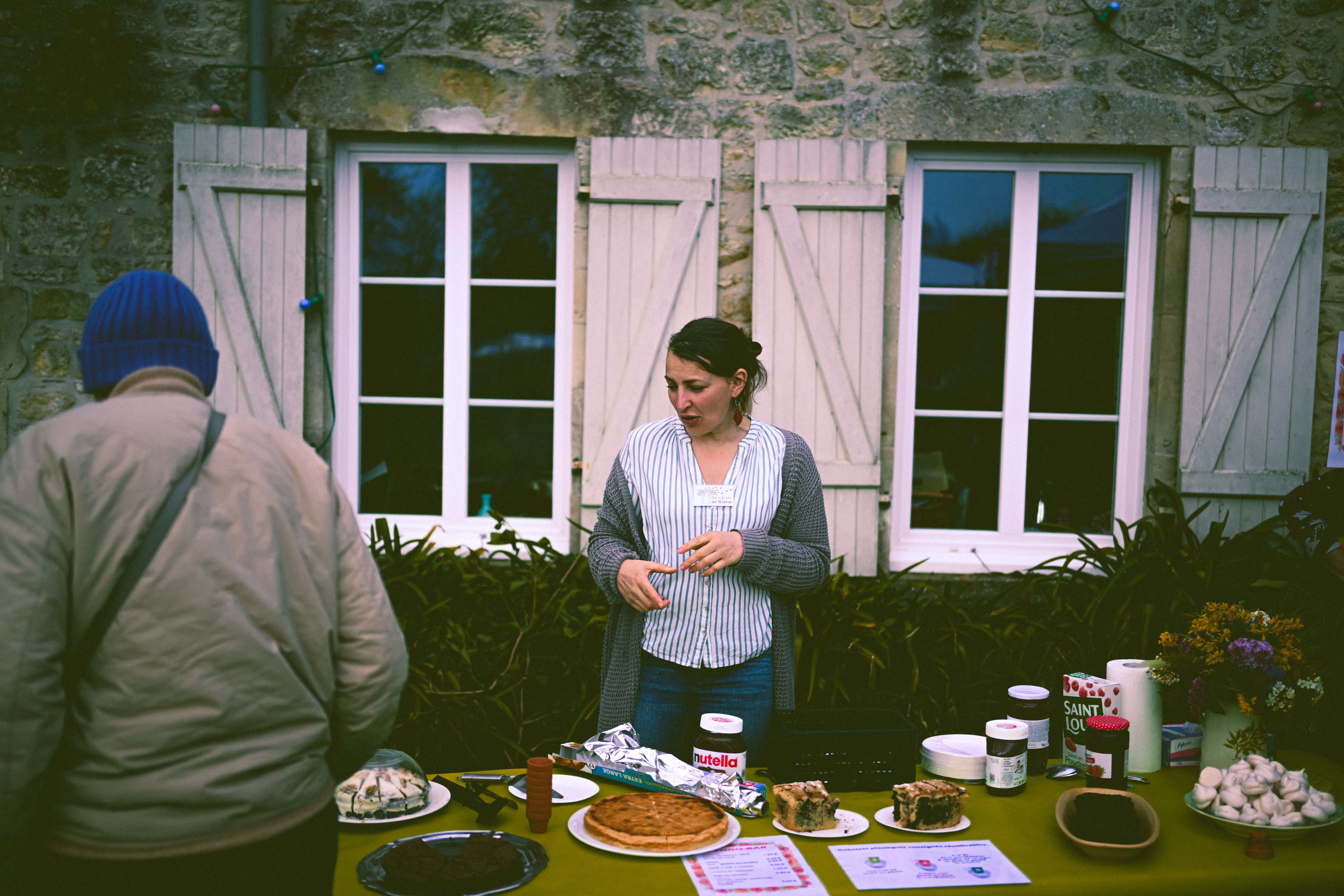
Keep prices easy to see and easy to process. Round-number pricing reduces the queue and makes cash handling simpler. Before announcing prices, calculate ingredient, packaging, and event costs; the fundraiser should not quietly lose money because volunteers were uncomfortable charging for handmade food.
5. The service meal that doubles as a packing project
Some faith gatherings should not center on guests eating at long tables. A congregation can sell a simple lunch or soup-and-bread meal, then invite attendees to help assemble food packs, hygiene kits, or shelf-stable bags for a local partner. The meal supplies fellowship; the second activity turns the fundraiser into visible service.
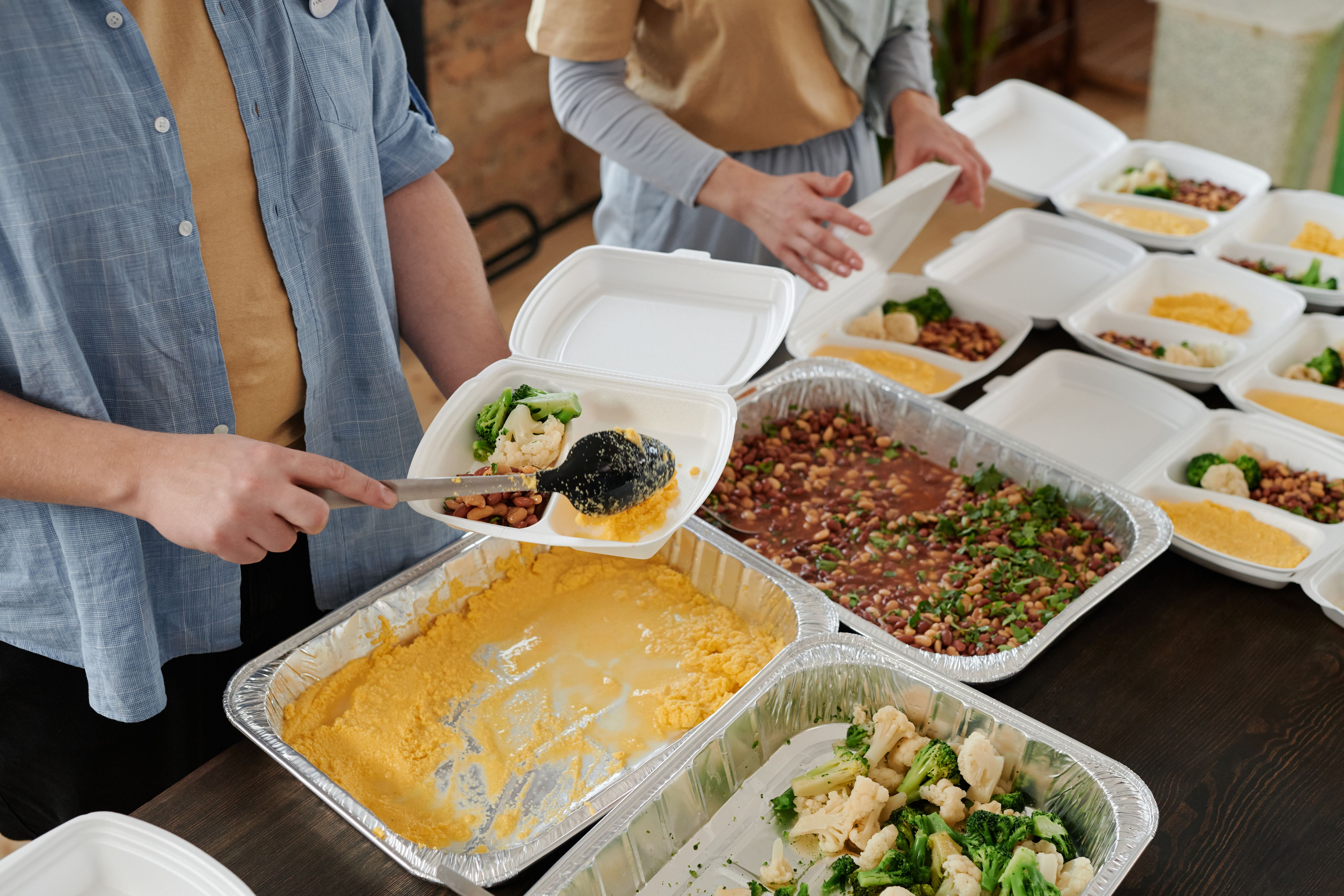
The ELCA World Hunger feeding ministries guide emphasizes adapting a food ministry to local needs, involving volunteers in preparation and cleanup, and treating community meals as relationship-building spaces. That is a useful test for any parish event: does the format make it easier for people to participate with dignity, or does it merely create more work behind the scenes?
Design the service line like a guest experience
A menu can be creative and still be frustrating. Put the main sign where people can read it before reaching the queue. Separate ordering, payment, pickup, and seating when possible. Mark vegetarian, vegan, gluten-free, dairy-free, and nut-containing items only when the kitchen can support those labels confidently.
Do not make guests interrogate a volunteer about ingredients. Use a master ingredient sheet, keep each dish with its own serving utensil, and label foods prepared in a home kitchen according to your local requirements. The Faithward guide to hosting a community meal makes the same practical point: labels and ingredient lists help people make safe choices, especially when the server is not the person who cooked the dish.
Assign one volunteer to hospitality rather than food service. Their job is to notice the person standing alone, explain the flow to a newcomer, help families find seating, and make sure someone using a mobility aid is not forced to navigate a crowded line. That role often does more for the atmosphere than another decorative centerpiece.
Food safety is part of the menu design
Creative presentation cannot compensate for unsafe holding temperatures. The USDA says hot foods on a buffet should be held at 140°F or warmer, while cold foods should remain at 40°F or colder. Perishable food should not sit at room temperature for more than two hours, or more than one hour when the temperature is above 90°F; the FDA gives the same two-hour buffet rule.
Build the menu around what your space can safely hold. If you have no reliable hot-holding equipment, choose smaller batches that can be replenished rather than one enormous pan left out for the whole event. If refrigeration is limited, avoid making cold salads the centerpiece. Keep a clock or service log, use ice for chilled dishes, and ask your local health department about permits, training, and rules for food prepared at home. Requirements vary by location and by the type of event.
The easiest menu to serve safely is usually the one that is modest enough for your volunteers to monitor. I would rather see four dishes handled carefully than fifteen dishes with uncertain ingredients, unclear ownership, and no plan for leftovers.
A simple planning worksheet for your committee
Before recruiting cooks, answer these questions in writing:
- What is the net amount the fundraiser needs to raise after expenses?
- Who is expected to attend, and how many guests need a fast, seated, accessible, or take-home option?
- Which menu format matches the kitchen, refrigeration, serving equipment, and volunteer hours available?
- Who owns food safety, allergen information, payment reconciliation, hospitality, and cleanup?
- What will happen to leftovers, unused ingredients, and unopened donations?
- How will guests give if they cannot stay for the meal?
Then make a one-page event brief containing the final menu, prices or suggested donations, ingredient notes, service sequence, volunteer assignments, and the fundraiser’s purpose. Share the same brief with the kitchen team, greeters, treasurer, and communications volunteer. Most event-day confusion comes from people working from different versions of the plan.
The best parish menus do more than feed people
A memorable faith gathering does not need an elaborate culinary theme. It needs a clear invitation: here is what we are sharing, here is how you can participate, and here is the good work your support makes possible.
Choose a format that respects your volunteer capacity. Make the prices and ingredients visible. Build safety into the service plan instead of adding it at the end. Then leave room for the part no menu can script: a stranger being welcomed to a table, an older parishioner sharing a recipe, or a child discovering that fundraising can look like service rather than selling.
That is the real alternative to the routine potluck. Not fancier food, but a gathering designed with enough intention that the meal, the mission, and the people around the table all belong to the same story.